

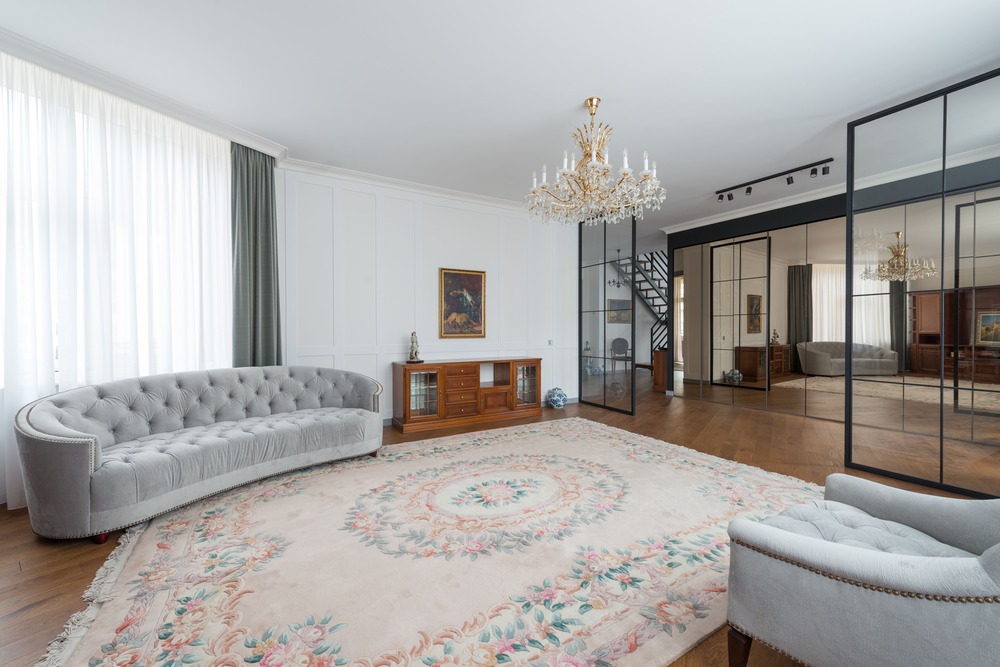
In today’s urban narrative, apartments have become more than just compact residences nestled within the framework of tall buildings. They represent a refined, intentional choice—one that harmonizes convenience, design, and lifestyle in a world where space is both a commodity and a luxury. Once seen as temporary dwellings or modest accommodations, modern apartments have undergone a remarkable evolution, emerging as symbols of urban sophistication and pragmatic elegance.
A Historical Perspective: From Necessity to Prestige
Historically, apartment living began as a necessity. During the industrial revolution, as populations surged into cities, housing demand skyrocketed. Apartment buildings offered a solution—multi-unit dwellings that could accommodate more people on less land. The earliest apartments in major cities were practical, minimal, and rarely associated with luxury.
Over the decades, however, the image of apartment life transformed. In cities like Paris and New York, grand apartments with high ceilings, ornate moldings, and sweeping city views became hallmarks of status. Today, apartments are no longer placeholders en route to homeownership; they are often the end goal, especially among urban professionals, empty nesters, and design-conscious individuals who value form and function in equal measure.
Defining the Modern Apartment
A modern apartment is more than a place to live—it’s a lifestyle statement. Developers and architects now approach apartment design with a holistic mindset, considering not just square footage, but also ambiance, sustainability, and community experience.
Characteristics of Contemporary Apartments:
-
Efficient Layouts: Spaces are designed with flow and function in mind, making even modest square footage feel expansive.
-
Natural Light: Large windows and open floor plans allow sunlight to penetrate deep into the home, creating a bright, airy feel.
-
Sustainable Materials: From bamboo flooring to low-VOC paints, eco-friendly choices are increasingly prioritized.
-
Integrated Technology: Smart home features such as app-controlled lighting, security, and temperature systems are now standard in many new developments.
-
Shared Amenities: Rooftop terraces, fitness centers, coworking lounges, and concierge services enhance daily living.
These elements combine to create homes that not only look beautiful but also support a balanced, urban lifestyle.
The Practical Allure: Why People Choose Apartments
While aesthetics play a vital role, the decision to live in an apartment is often driven by practical considerations. In dense urban areas, apartments are often the most viable housing option due to space constraints and rising property values. Yet beyond necessity, many people are drawn to the distinct benefits apartment living provides.
Key Advantages of Apartment Living:
-
Location: Apartments are often situated in prime city locations—close to work, entertainment, dining, and public transport.
-
Low Maintenance: Building maintenance, landscaping, and repairs are typically handled by property management, reducing the burden on residents.
-
Security: Many apartment buildings offer enhanced security measures, including controlled access, surveillance systems, and on-site staff.
-
Community: Shared spaces and close quarters naturally foster a sense of neighborliness and social connection.
For many, apartment living strikes the perfect balance between privacy and community, simplicity and sophistication.
Apartments and Sustainability: A Greener Way to Live
In an era where environmental responsibility is paramount, apartments offer a more sustainable alternative to sprawling suburban homes. Shared walls reduce energy loss, compact layouts require fewer resources to heat and cool, and urban locations minimize the need for long car commutes.
Forward-thinking developers are further enhancing sustainability by incorporating:
-
Green roofs and vertical gardens to reduce heat islands and promote biodiversity
-
Solar panels and energy-efficient appliances to lower energy consumption
-
Rainwater harvesting and greywater systems for smarter water use
-
Recycling and composting programs to reduce landfill waste
These features not only benefit the planet but also appeal to eco-conscious residents seeking to align their living space with their values.
Psychological and Social Dimensions of Apartment Living
Contrary to common misconceptions, apartment life can be deeply fulfilling from a psychological and social standpoint. While some associate apartments with cramped conditions or noise, many discover that well-designed units offer sanctuary-like solitude with the comfort of proximity to others.
Minimalist design, which is often favored in apartment interiors, can lead to a decluttered mind. Fewer possessions, more intentional living, and efficient organization encourage mindfulness. Moreover, the vertical nature of apartment buildings promotes incidental social interactions—shared elevators, lounges, and gyms become spaces where casual connections blossom into meaningful relationships.
This duality—the capacity for solitude and community—makes apartment living uniquely adaptive to the emotional needs of today’s diverse residents.
The Future of Apartment Living
As technology evolves and urban centers grow more complex, apartments are poised to become even more sophisticated. The next generation of apartment buildings will likely feature:
-
Modular construction for faster, eco-friendly development
-
Voice-activated smart systems controlling everything from lighting to grocery deliveries
-
AI-powered management for building maintenance, security, and energy optimization
-
Integrated wellness features such as circadian lighting, air purification, and soundproof sleep pods
These innovations promise to elevate apartment living from comfortable to visionary, turning homes into intelligent, responsive environments that anticipate residents’ needs.
A Symbol of Modern Urban Identity
Ultimately, the apartment is not just a structure—it is a reflection of a broader cultural shift. As people gravitate toward cities, prioritize experiences over ownership, and seek smarter, simpler ways of living, apartments have emerged as the architectural embodiment of modern aspirations.
They are homes for the mobile, the mindful, and the modern. Whether it’s a sleek penthouse overlooking a skyline or a cozy studio in a historic district, the apartment stands as a testament to how far we’ve come in redefining what it means to live well.
In the story of contemporary urban life, apartments are no longer the supporting characters—they are, in many ways, the stars.

Comments are closed.