

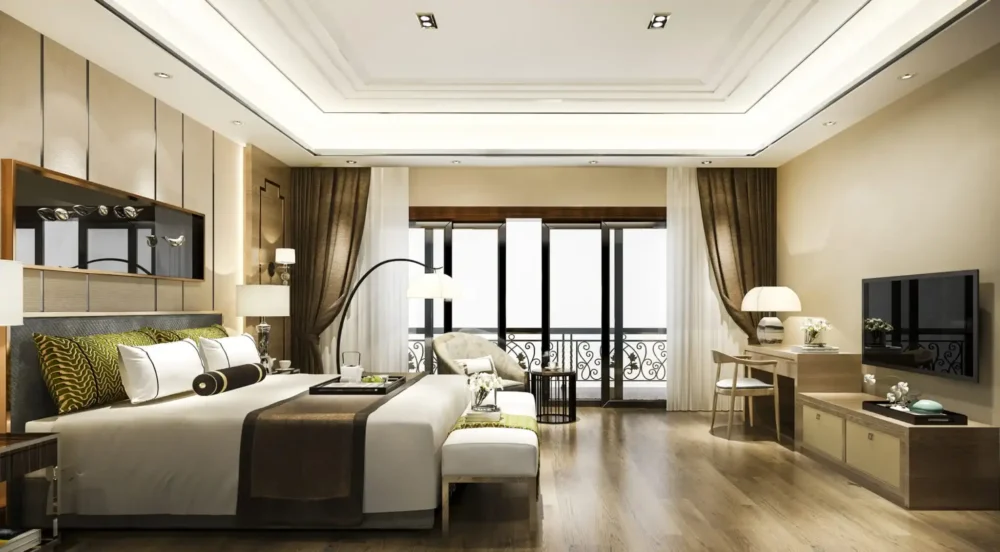
In recent years, apartments have become a quintessential part of urban living. Whether in bustling metropolitan cities or quieter suburban neighborhoods, apartments offer a blend of convenience, comfort, and contemporary design. With diverse sizes, layouts, and amenities, apartments cater to a wide array of individuals—ranging from young professionals to growing families and retirees seeking a more manageable living space. This article delves into the reasons why apartments are increasingly becoming the preferred choice for modern living, while examining the factors that influence apartment design, the role of technology, and the future of apartment living.
The Appeal of Apartment Living
Apartment living has evolved far beyond its humble origins of small, utilitarian spaces. Today’s apartments are designed with aesthetics, functionality, and flexibility in mind. They offer an alluring balance of affordability, accessibility, and modernity, making them an ideal choice for individuals who prioritize convenience and lifestyle.
For city dwellers, apartments offer unparalleled proximity to work, entertainment, shopping, and public transportation. This urban convenience means that residents often don’t need a car, which can significantly reduce the cost of living. Moreover, apartments in well-connected neighborhoods provide easy access to cultural events, restaurants, and green spaces. Whether it’s a studio in the heart of a city or a more spacious unit in a suburban development, apartments allow residents to enjoy the best that their location has to offer.
A Wide Range of Options: Finding the Right Fit
One of the key advantages of apartment living is the sheer variety of options available. Whether you are single, a couple, or a family, there is an apartment suited to your needs. Apartments come in a range of configurations, from compact studios to expansive multi-bedroom units. This allows tenants to select the ideal size and layout that fits their lifestyle.
-
Studio Apartments: Perfect for individuals or young professionals, studio apartments are efficient, with a combined living, dining, and sleeping area. Their smaller size often makes them more affordable, particularly in high-demand urban areas.
-
One-Bedroom Apartments: Ideal for couples or single residents who need a bit more space but still want to maintain a simple, manageable living space.
-
Two-Bedroom Apartments: Popular among small families, roommates, or individuals who desire an extra room for an office or guest accommodation.
-
Luxury Apartments: These apartments cater to those who seek more than just functional living spaces. Luxury apartments often feature high-end finishes, expansive layouts, exclusive amenities, and prime locations.
-
Penthouse Apartments: Located at the top of a building, penthouses are spacious and offer the best views in a complex. They’re designed for those who seek ultimate privacy, luxury, and sophistication.
Innovative Design and Sustainability in Apartments
In recent years, there has been a noticeable shift in the way apartments are designed. Architects and developers are embracing innovation and sustainability to create spaces that are not only visually appealing but also environmentally conscious.
-
Sustainable Materials: Many modern apartments are constructed using energy-efficient materials and designs, such as recycled steel, green roofs, and low-energy windows. This is not only good for the planet but also helps reduce long-term utility costs for residents.
-
Smart Home Features: Today’s apartments often come equipped with smart technology, from thermostats that adjust to your preferences to lighting that can be controlled via voice command. Smart devices like security cameras, smart locks, and even kitchen appliances offer added convenience and security.
-
Open-Concept Layouts: Gone are the days of dark, compartmentalized living spaces. Modern apartments are often designed with open-concept floor plans that create a sense of spaciousness and light. Large windows, high ceilings, and interconnected living areas contribute to a more airy and inviting environment.
-
Common Spaces and Amenities: Developers have increasingly recognized the importance of creating not just functional apartments but thriving communities. Many apartment complexes now feature shared amenities such as gyms, lounges, co-working spaces, and outdoor gardens. These spaces promote social interaction and provide additional conveniences that elevate the living experience.
The Rise of Technology in Apartment Living
Technology is playing an increasingly important role in the way we live, and apartments are no exception. From digital leasing platforms to enhanced security systems, technology has made apartment living more convenient, secure, and enjoyable.
-
Virtual Tours and Leasing: In today’s fast-paced world, the process of renting or buying an apartment has been revolutionized by virtual tours and digital leasing platforms. Prospective tenants can now explore potential apartments from the comfort of their homes, making the search process more efficient.
-
Smart Home Integration: Many modern apartments come with integrated smart home technology. Devices like smart thermostats, lighting systems, and even kitchen appliances can be controlled through a smartphone, making daily tasks more streamlined and energy-efficient.
-
Security Systems: In an era where security is a top priority, modern apartments are equipped with cutting-edge security features, such as video doorbells, access control systems, and surveillance cameras. Residents can monitor their apartments remotely, adding a layer of protection and peace of mind.
-
Energy Management: Smart meters and energy management systems are increasingly common in modern apartments. These systems help monitor energy consumption, offering insights into usage patterns and promoting energy-saving behaviors. Many apartments are also designed with efficient heating and cooling systems to reduce energy waste.
Challenges and Considerations
While apartment living offers numerous benefits, it’s important to be aware of potential challenges. Noise, lack of privacy, and the possibility of limited outdoor space are some of the common drawbacks that can affect apartment dwellers. Additionally, rental prices in popular urban areas can be quite high, pushing some residents to consider more affordable alternatives.
Moreover, the growing trend of apartment developments may lead to a shortage of parking spaces or over-crowded common areas. For those with families, the limited space for storage and outdoor play can also present obstacles.
The Future of Apartment Living
The future of apartment living is poised to be shaped by further advancements in technology, sustainability, and design. As cities continue to grow and the demand for housing rises, the need for innovative apartment solutions will become even more critical. We can expect to see more sustainable building practices, greater integration of technology, and an increased focus on communal spaces that foster a sense of community.
With the rise of remote work and a more flexible workforce, apartment living may become even more attractive. People will seek homes that cater to both work and leisure, which could lead to the design of even more sophisticated work-from-home setups within apartments. Furthermore, as cities embrace green building initiatives, eco-friendly apartments with green roofs, solar panels, and energy-efficient designs will likely become the norm rather than the exception.
Conclusion
Apartments have evolved into more than just places to live—they have become reflections of our modern lifestyle. Whether designed with luxury or practicality in mind, apartments offer an unmatched combination of convenience, innovation, and comfort. As the world continues to change, apartment living will adapt to meet the needs of future generations, with sustainable design, technological advancements, and more personalized living experiences at the forefront. For those seeking an urban oasis that combines modernity and comfort, the apartment remains an ideal choice.

Comments are closed.