

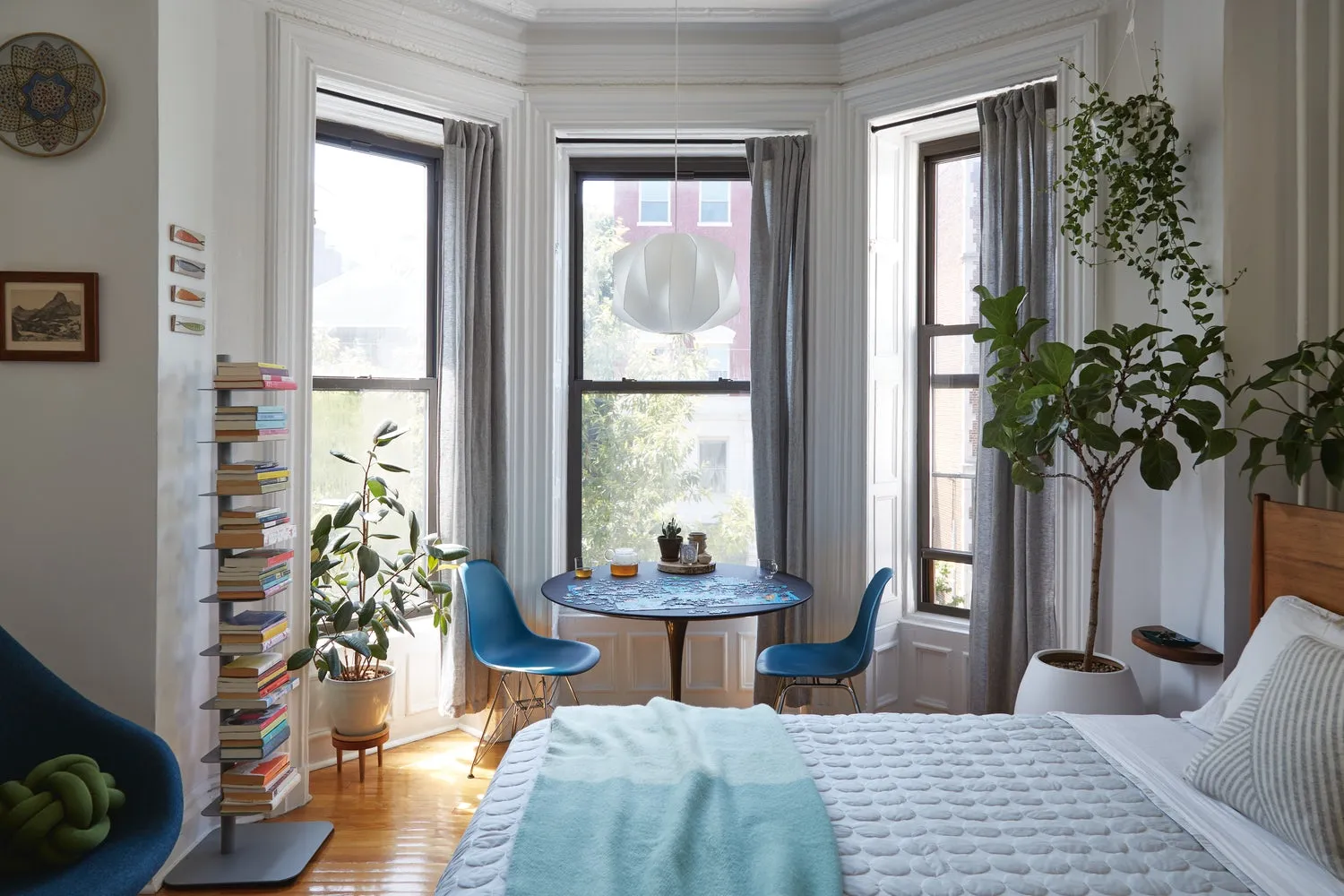
In an age where the pace of life accelerates daily and cities sprawl with ever-growing density, apartments have emerged not merely as a housing option, but as thoughtfully curated sanctuaries for modern dwellers. Gone are the days when apartments were simply regarded as compact, utilitarian spaces; today, they stand at the intersection of architectural innovation, lifestyle enhancement, and urban necessity.
The Evolution of the Apartment
The concept of apartment living dates back centuries, with its earliest iterations appearing in ancient Rome where multi-story residential buildings, known as insulae, housed the city’s growing population. In the 20th century, apartments became a staple in urban development, particularly as migration to cities surged during industrialization.
Modern apartments, however, reflect a shift from necessity to choice. They are no longer just the affordable alternative to single-family homes; they have become desirable for their location, convenience, and design. In many cosmopolitan hubs—New York, Tokyo, Paris, London—the apartment is not just a residence, but a lifestyle statement.
A Lifestyle of Convenience and Community
One of the primary appeals of apartment living lies in its built-in convenience. Located in the heart of cities or within well-planned suburban developments, apartments often sit in close proximity to workspaces, schools, transport, dining, and entertainment. This proximity reduces commuting time and allows for a more efficient and balanced lifestyle.
Beyond geography, modern apartment complexes frequently come with a host of amenities:
-
Fitness centers and wellness spaces
-
Rooftop gardens and lounges
-
Swimming pools and spas
-
Co-working areas and business lounges
-
24/7 security and concierge services
These features create micro-communities where residents can socialize, relax, and feel a sense of belonging—all within the confines of their building.
The Architecture of Thoughtful Design
One of the most remarkable evolutions in apartment living is the focus on intelligent design. Architects and interior designers today prioritize both aesthetics and functionality. The limited square footage of many apartments encourages creative layouts, efficient use of space, and multi-purpose furniture.
Contemporary apartments are designed with natural light, open floor plans, and minimalism in mind. Neutral color palettes, sustainable materials, and smart-home technology all contribute to the modern apartment’s allure. Balconies and floor-to-ceiling windows offer urban views that feel more like moving art than a mere glimpse of the outside world.
Key Architectural Trends in Modern Apartments:
-
Open-plan living areas that blend the kitchen, dining, and lounge spaces for greater fluidity
-
Smart-home integration for lighting, climate, and security controls
-
Eco-conscious materials such as bamboo flooring, recycled countertops, and energy-efficient appliances
-
Soundproofing features to enhance privacy in densely populated buildings
-
Vertical gardens and green roofs that bring nature into the urban context
Economic and Environmental Considerations
From a financial standpoint, apartments often represent a more affordable and practical investment than single-family homes, especially in urban centers where land is scarce and prices are high. The lower maintenance demands and shared infrastructure also make apartments appealing to young professionals, retirees, and even small families.
Moreover, apartments can be more sustainable. Their smaller size generally means reduced energy consumption. Shared walls and compact designs contribute to efficient heating and cooling. Additionally, many developers now prioritize LEED-certified buildings and integrate renewable energy sources, recycling programs, and water-saving fixtures.
Advantages of Apartment Living in an Eco-Conscious World:
-
Reduced carbon footprint due to shared resources
-
Proximity to public transportation, promoting car-free lifestyles
-
Access to community recycling and composting programs
-
Energy-efficient appliances and sustainable building practices
Psychological Comfort and Urban Solitude
Contrary to the perception of apartments as cramped or isolating, many residents find them to be surprisingly comforting. The limited space often encourages decluttering and intentional living. Smaller homes tend to foster more mindfulness, reducing the desire for excess and focusing attention on quality rather than quantity.
Apartments also offer a unique blend of solitude and social opportunity. One can enjoy complete privacy behind closed doors while knowing that community is just steps away. This balance is particularly important in today’s world, where mental well-being and connection are more critical than ever.
Who Are Apartment Dwellers Today?
While apartments were once thought of as temporary residences for students or young adults, today’s apartment dwellers span a wide demographic spectrum. The rise of remote work has encouraged professionals to prioritize location and lifestyle over square footage. Older adults are downsizing, seeking the simplicity and safety of apartment communities. Even families, drawn by the proximity to schools and cultural institutions, are finding new appeal in vertical living.
Apartment living is no longer merely a transitional phase—it’s a conscious choice made by those who value time, efficiency, aesthetics, and community.
The Future of Apartment Living
As urban centers continue to swell and climate consciousness becomes imperative, apartment living is poised to evolve further. We are seeing an increase in:
-
Modular and prefabricated apartment buildings that reduce construction waste and cost
-
Mixed-use developments that combine residential units with retail, educational, and cultural spaces
-
Co-living spaces that merge private quarters with shared living areas to foster collaboration and affordability
-
Digital management systems for rent, maintenance, and community engagement
In the future, apartments will not merely house people—they will enhance how they live, interact, and thrive.
Final Thoughts
Apartments have long shed their reputation as mere stepping stones to homeownership. Today, they represent a refined, efficient, and deeply modern way of living. With thoughtful design, sustainable practices, and an emphasis on community, the apartment has transformed into a personal retreat amid the rhythm of the city. For many, it is not only where they live, but how they choose to live—with purpose, elegance, and intent.

Comments are closed.